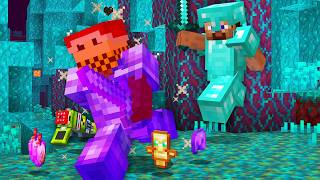
Introduction to the Game Minecraft
The Game Minecraft has become a cultural phenomenon since its official release in 2011. Developed by Mojang Studios, the sandbox title lets players explore, build, and survive in a procedurally generated world made of blocks. Its simple visual style masks a deep and flexible system that appeals to children, educators, and seasoned gamers alike.
Core Gameplay Mechanics
At its heart, Minecraft revolves around three core actions: mining, crafting, and building. Players use a pickaxe to break stone, ore, and other materials, which are then placed in an inventory grid. The crafting interface combines these resources into tools, weapons, and decorative items. The game’s block‑based environment encourages creativity, as almost every object can be rearranged or repurposed.
- Mining: Extracting resources such as coal, iron, gold, and diamonds.
- Crafting: Using recipes to turn raw materials into usable items.
- Building: Assembling blocks to create structures, redstone circuits, or art.
These mechanics are consistent across all platforms, ensuring that the experience remains familiar whether you play on a PC, console, or mobile device.
Creative Mode vs Survival Mode
Minecraft offers two primary game modes that cater to different styles of play.
Creative Mode
In Creative Mode, players have unlimited access to every block and item. This mode removes health and hunger, allowing uninterrupted construction. It is ideal for architects, artists, and educators who want to focus on design without the constraints of resource gathering.
Survival Mode
Survival Mode introduces challenges such as health, hunger, and hostile mobs. Players must manage resources, craft armor, and build shelters to protect themselves from night‑time threats. The sense of progression and risk makes Survival the most popular choice for players seeking adventure.
Community and Multiplayer
The multiplayer aspect of the Game Minecraft has fostered a vibrant global community. Servers range from small private realms to massive public worlds hosting thousands of concurrent players. Community‑run servers often implement custom plugins that add mini‑games, economy systems, or role‑playing elements.
- Dedicated servers enable friends to collaborate on large projects.
- Public servers provide a social hub for meeting new players.
- Real‑time communication tools, such as voice chat and Discord integration, enhance coordination.
These social features have also given rise to content creators who share tutorials, speedruns, and building showcases on platforms like YouTube and Twitch.
Educational Impact
Beyond entertainment, Minecraft is widely used as an educational tool. The game’s open