Understanding Seed Backup: Why It Matters for Digital Assets
In the world of cryptocurrency and decentralized finance, a seed phrase (also called a recovery phrase or mnemonic) is the single most important piece of data you will ever own. It is a human‑readable list of 12, 18, or 24 words that encodes the private keys of a wallet. If you lose access to your device, the seed phrase is the only reliable way to restore your funds.
Because the seed phrase controls every address in a wallet, proper backup is essential. A single mistake—misplacing, exposing, or corrupting the phrase—can result in permanent loss of assets. This article explains what seed backup is, outlines safe methods, and provides best‑practice tips for both beginners and seasoned users.
What Is a Seed Phrase?
A seed phrase is generated by wallet software following the BIP‑39 standard. The words are chosen from a fixed list of 2048 English words, ensuring that any combination can be reliably reconstructed by compatible wallets. The phrase serves as a cryptographic seed that deterministically derives all private keys for a given wallet.
Key points to remember:
- It is the only data needed to recover a wallet.
- It does not contain any personal information about the user.
- Anyone who knows the seed can control the associated assets.
Why a Secure Backup Is Non‑Negotiable
Digital assets are stored on blockchains, which are immutable and permissionless. Unlike a bank account, there is no “reset password” or customer support line to help you regain access. If the seed phrase is lost, the funds are effectively locked forever. Conversely, if the phrase is compromised, an attacker can sweep the wallet instantly.
Therefore, a seed backup strategy must address two core goals:
- Durability: The backup must survive fire, water, hardware failure, and accidental loss.
- Confidentiality: The backup must stay hidden from unauthorized eyes.
Common Backup Methods and Their Trade‑offs
Paper Backups
Writing the seed phrase on paper is the simplest and most widely recommended method. When done correctly, a paper backup can last decades.
- Pros: No electronic footprint, easy to create, inexpensive.
- Cons: Vulnerable to moisture, fire, and physical theft if not stored securely.
Best practice: Use acid‑free archival paper, write legibly with a ballpoint pen, and store the sheet in a sealed, fire‑resistant safe or a safety deposit box.
Metal Backups
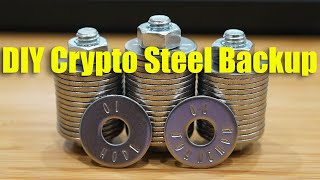
Metal plates or alloy tags are designed to withstand extreme conditions. They are often laser‑etched or stamped with the seed words.
- Pros: Resistant to fire, water, and corrosion; durable for centuries.
- Cons: Higher upfront cost, limited space for long phrases, potential for accidental bending.
Recommended approach: Choose a reputable brand that offers individual plates for each word

![How to Back Up Your Crypto Seed Phrase [2026]](https://i.ytimg.com/vi/2AZ_7QVP6cA/mqdefault.jpg)




![BEST Seed Phrase Storage [Keystone Tablet Plus]](https://i.ytimg.com/vi/8oDNSOpowGY/mqdefault.jpg)