What Is a Seed Keyword?
Are you new to SEO and wondering what a seed keyword is? In simple terms, a seed keyword is the starting point for any keyword research project. It is a short, broad term that captures the core idea of your business, product, or service. From this single word or phrase, you can expand into a full list of related keywords, long‑tail variations, and content ideas that drive organic traffic.
Why Seed Keywords Matter in SEO
When you begin to plan your SEO strategy, you need a solid foundation. Seed keywords provide that foundation by:
- Guiding the direction of your keyword research.
- Helping you identify the search intent of your target audience.
- Serving as the basis for content clusters and topic modeling.
- Allowing you to prioritize high‑value opportunities before investing time in content creation.
In short, without a clear seed keyword, your SEO efforts can become scattered, making it harder to achieve measurable results.
How to Choose the Right Seed Keyword
Are you looking at how to do keyword research for SEO, then you need to decide upon your seed keyword carefully. Follow these steps to select a keyword that aligns with your goals:
- Identify Your Core Business Offering. Write down the main product or service you provide. For a local bakery, this might be “artisan bread.”
- Consider Your Audience’s Language. Think about how your customers describe their needs. Use tools like Google Autocomplete or forums to see real‑world phrasing.
- Check Search Volume and Competition. Use free tools (Google Keyword Planner, Ubersuggest) to gauge how many people search for the term and how tough the competition is.
- Assess Relevance. Ensure the term directly relates to what you can deliver. A high‑volume keyword that doesn’t match your services will waste resources.
- Validate with Analytics. Look at your website’s existing traffic. If you already rank for a phrase, it may be a strong seed keyword to expand upon.
From Seed to Full Keyword List
Once you have your seed keyword, the next step is to generate a comprehensive list of related terms. This process typically involves:
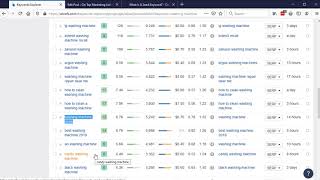
Using Keyword Tools
Tools such as Ahrefs, SEMrush, or the free On Top Marketing Agency keyword generator can provide:
- Related queries
- Search volume estimates
- Keyword difficulty scores
- Potential