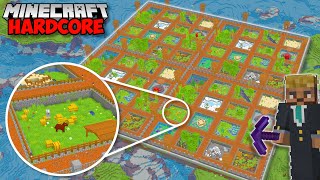
What Is a Minecraft Zoo?
A Minecraft zoo is a player‑created habitat where you gather and display the game’s many animal mobs. Unlike a real‑world zoo, a Minecraft zoo relies on blocks, redstone, and careful design to keep animals safe, fed, and visually appealing. Whether you are playing on a vanilla server or using a mod pack, building a zoo adds a creative challenge and provides a fun way to explore the game’s wildlife mechanics.
Planning Your Zoo Layout
Before you place your first fence, sketch a basic layout. Good zoo design balances functionality and aesthetic appeal. Consider these steps:
- Map the terrain. Choose a flat area near a water source to simplify enclosure construction.
- Divide zones. Separate large mammals, birds, and aquatic animals to avoid overcrowding and to make feeding easier.
- Plan pathways. Wide, well‑lit paths guide visitors (or your avatar) through the zoo without causing mob spawns.
- Allocate space for utilities. Include a storage room for food, a breeding area, and a viewing platform for each enclosure.
Choosing Animals for Your Zoo
Minecraft offers a variety of passive mobs that can be displayed in a zoo:
- Cows, pigs, and sheep – Classic farm animals that are easy to breed.
- Chickens and rabbits – Small, quick to spawn, and provide eggs or carrots for feeding.
- Wolves and horses – Offer movement and can be tamed for added interaction.
- Polar bears, pandas, and foxes – Found in specific biomes; they add exotic appeal.
- Axolotls and tropical fish – Perfect for aquatic exhibits.
When selecting animals, think about the environmental needs of each species. For example, pandas require bamboo, while wolves thrive in forested areas.
Building Secure Enclosures
Enclosures must keep animals from escaping while allowing players to view them clearly. Use the following construction tips:
- Fence height. A three‑block fence prevents most mobs from jumping over. Add a second fence layer for extra security.
- Gate placement. Use iron doors with button or pressure‑plate controls to manage entry without letting animals out.
- Lighting. Place torches or lanterns around the perimeter to stop hostile mobs from spawning near the zoo.
- Terrain shaping. Incorporate slopes, waterfalls, or glass walls to create natural‑looking habitats.
For aquatic enclosures, glass panes provide a clear view while keeping water contained. Remember to line the bottom with sand or gravel to prevent fish from digging out.
Tips for Breeding and Feeding
Maintaining a thriving zoo requires regular feeding and occasional breeding. Follow these guidelines: